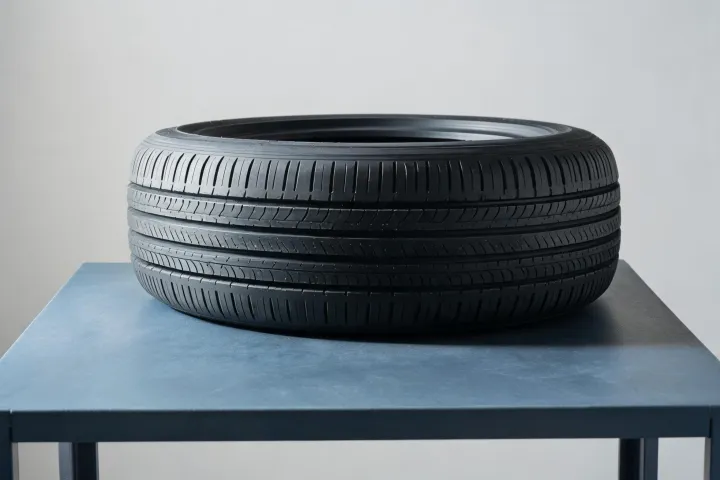
Truck and bus radials
Separate steer, drive and trailer requirements before requesting alternatives. Include axle position, tire size, single or dual fitment and the highway or regional service cycle.
Browse tire categoriesCompare passenger and commercial tire quotations against the same size list, service description, target market and freight terms.
Separate steer, drive and trailer requirements before requesting alternatives. Include axle position, tire size, single or dual fitment and the highway or regional service cycle.
Browse tire categoriesList the replacement sizes, service descriptions and seasonal tread requirements by SKU.
Specify the road and gravel mix, approved rim width and any reinforced load requirement.
State the axle loads, routes and operating pressures so suppliers can quote a suitable service class.
Request both options on the same quantity and destination basis if pattern or packaging requirements are still open.
| Check | Catalog pattern | Custom specification |
|---|---|---|
| Offer basis | Ask for the exact size, load index, speed rating and available batch. | Specify which tread, marking or packaging details can change and which must stay fixed. |
| Release point | Check that quoted markings and sample evidence match the offered SKU. | Confirm drawing revision, sample sign-off and any scope changes before production release. |
| Commercial terms | Ask whether sizes can be combined and how long the quote holds. | Separate tooling and sample costs from unit price. Confirm MOQ and lead time with the supplier. |
Capture quantity by size, vehicle use, service description and destination port. Flag missing inputs before suppliers price a substitute.
Put offered part numbers, packaging, quote validity and the Incoterm with its named place on the same comparison sheet.
Confirm who reads the sidewall, checks the specimen against the offer and records any third-party inspection findings.
Match quantities and SKU markings before handoff. Share the discrepancies with the supplier and buyer before dispatch authorization.
Scroll to explore the different inputs each team brings to an RFQ.
Destination rules, carton marks and port handoff.
Size coverage, substitute rules and pack labels.
Axle duty, route and retread policy.
Vehicle application and replacement constraints.
Sample approval, document scope and revision control.
Include the load index, speed rating, application and tread requirement. The same nominal size can be offered with different service descriptions and different document scope.
Record the axle duty, expected wet conditions and usable tread life. Compare data only where the test method and conditions are compatible, and ask which trade-offs the pattern was designed around.
Ask each supplier to confirm line-level MOQ, packing dimensions and production availability. Multiple sources add choice but require extra lot tracking and document reconciliation.
The proposed supplier identifies the offered SKU and provides the applicable records. We coordinate the scope review. Order timing is confirmed against supplier availability, sample approval and agreed freight arrangements.
Include quantity by SKU, intended axle duty and the delivery port.
Prepare an RFQ